Regional Traditions Informing Symbols and Play Structures in Worldwide Slot Developments
Written by Zoe Franke · Aug 1, 2026
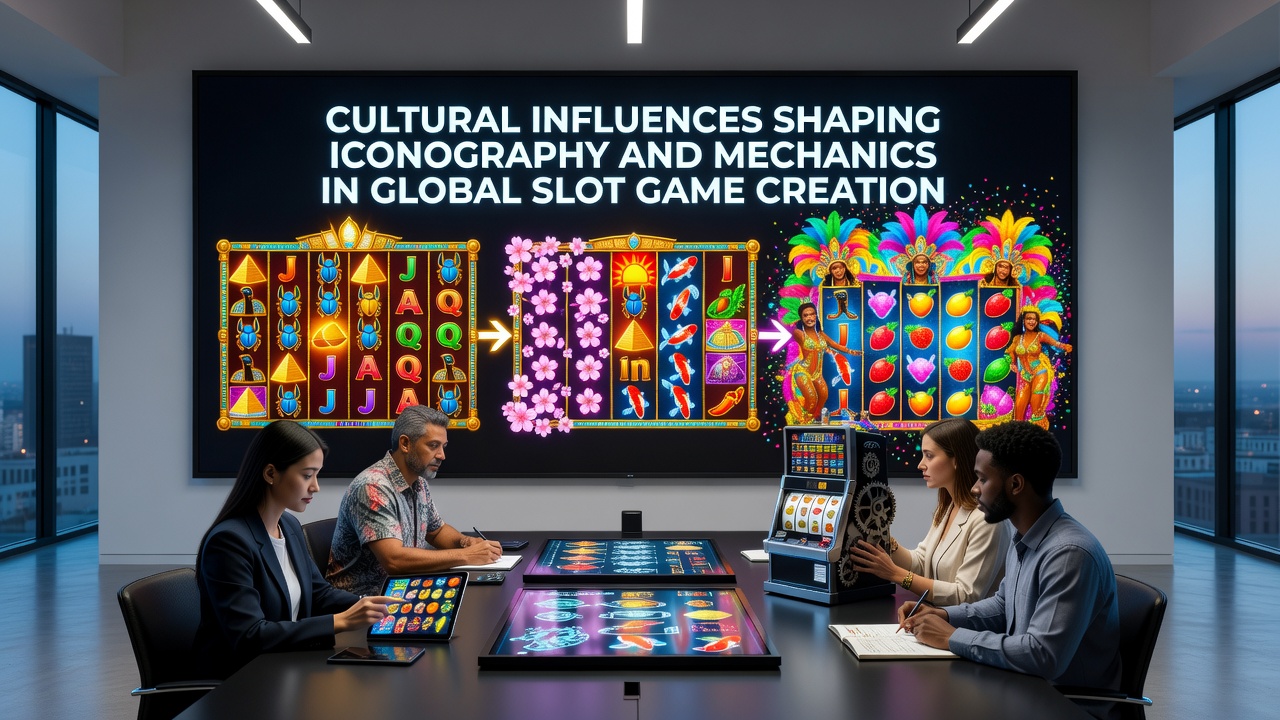
Regional Traditions Informing Symbols and Play Structures in Worldwide Slot Developments
Developers draw from longstanding regional customs when selecting visual elements and structuring gameplay loops, and this approach has produced distinct categories of titles that reflect specific heritage traditions rather than generic templates. Data compiled through industry tracking services shows that releases incorporating localized icon sets, such as dragons and lanterns in East Asian markets or totem motifs in North American indigenous-themed games, achieve higher engagement metrics in their target territories.
Symbol Selection Across Geographic Markets
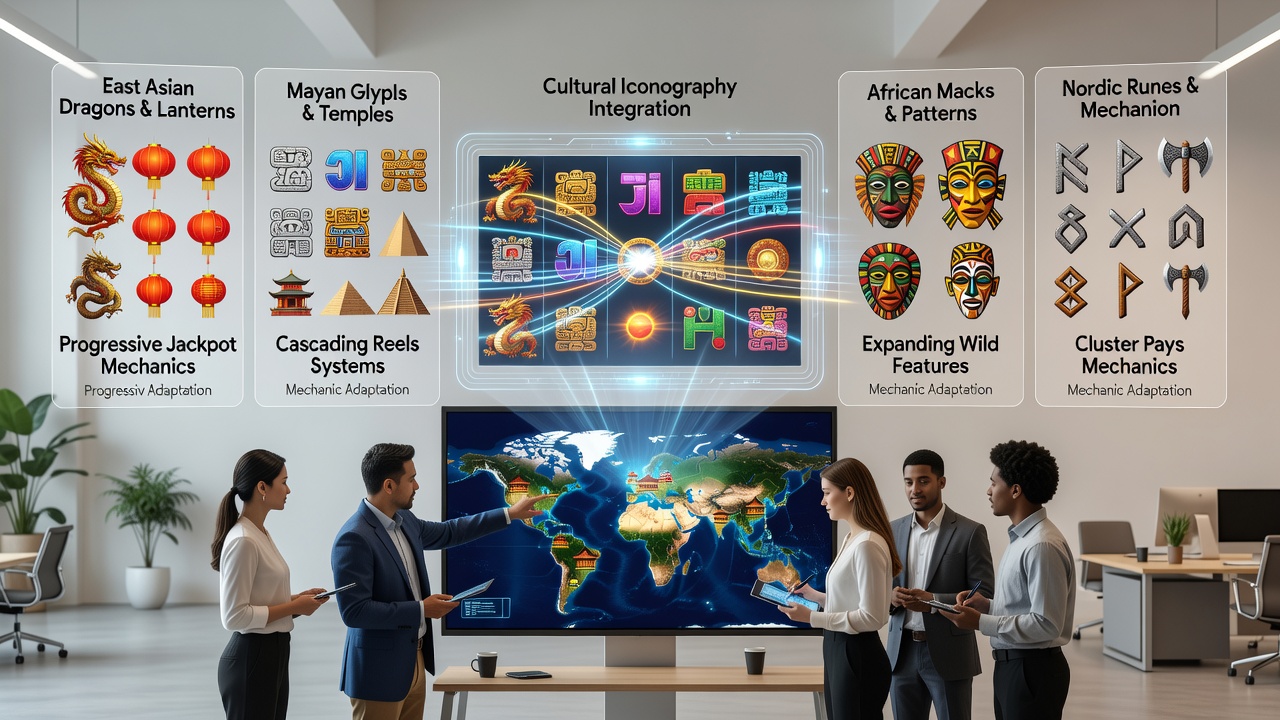
Chinese cultural references appear frequently in titles distributed across Asia-Pacific jurisdictions, where developers integrate elements like the Chinese zodiac animals, jade carvings, and firecracker clusters into reel layouts; these choices align with seasonal festivals and have been documented in software release notes from multiple studios since the early 2010s. European-inspired designs often feature medieval heraldry, Viking runes, and Renaissance architectural motifs, while Latin American productions incorporate Day of the Dead imagery and Aztec calendar stones as core visual anchors.
Observers note that African heritage influences have expanded in recent years, with developers referencing Adinkra symbols from Ghana and Maasai beadwork patterns in bonus round animations. North American operators have introduced indigenous artwork collaborations, including Navajo weaving designs and Inuit carving styles, following regulatory updates that encouraged local content partnerships.
Mechanics Shaped by Traditional Games and Rituals
Gameplay features frequently mirror established leisure activities from source cultures, and one pattern involves adapting board-game mechanics such as mancala-style seed distribution into cascading reel systems or using mahjong tile matching logic for cluster-pay formats. Japanese pachinko principles have informed vertical drop mechanics in several titles released during 2025 and 2026, while Indian rummy sequencing appears in some progressive jackpot structures.
August 2026 reports from regional gaming associations indicated that studios releasing titles with culturally derived bonus triggers recorded measurable increases in session duration within corresponding demographic segments. These adjustments occur because developers map familiar interaction patterns onto digital reels, reducing the learning curve for players already accustomed to the referenced traditions.
Regulatory and Market Factors Guiding Adaptation
Local licensing bodies in Singapore, South Africa, and Brazil have issued guidance encouraging content that resonates with domestic audiences, and this has prompted studios to consult cultural experts during pre-production phases. Research conducted by academic groups at institutions in Australia and Canada has examined how such adaptations affect player retention rates across multicultural populations.
Market data from 2025 demonstrates that titles blending multiple regional references, such as combining Celtic knotwork with Polynesian navigation symbols, tend to perform strongly in international aggregator platforms where players from varied backgrounds access the same game libraries. Developers therefore maintain libraries of modular assets that can be recombined to suit specific jurisdictional requirements without full redesigns.
Technical Implementation and Asset Libraries
Modern development pipelines include dedicated cultural asset databases that store approved iconography, color palettes, and animation cycles derived from ethnographic sources. Sound design teams similarly incorporate traditional instruments, ranging from Australian didgeridoos to Andean pan flutes, into ambient tracks that accompany base game spins and feature triggers. These technical choices are coordinated through cross-functional teams that include anthropologists and local consultants to maintain representational accuracy.
Conclusion
Global slot production continues to integrate iconographic and mechanical references drawn from diverse cultural contexts, supported by regulatory encouragement and market performance data. As studios expand their asset libraries and collaboration networks, the range of represented traditions is expected to broaden further while remaining grounded in documented heritage practices and verified performance indicators.