Regional Payment Data Patterns Driving Mobile Gaming Bonus Software Updates
Written by Zoe Franke · Aug 27, 2026
Regional Payment Data Patterns Driving Mobile Gaming Bonus Software Updates
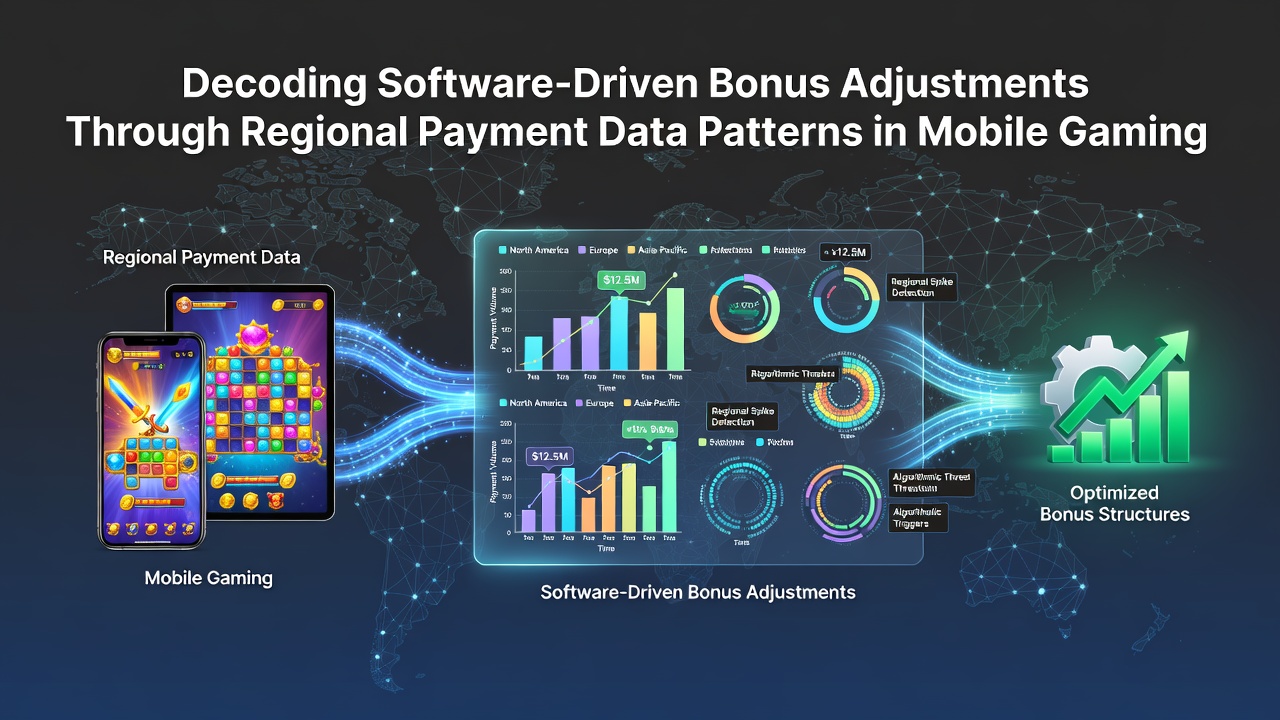
Software developers in the mobile gaming sector now rely on aggregated regional payment data to calibrate bonus structures in real time, and this practice has accelerated through 2026 as transaction volumes from diverse markets continue to rise. Payment methods vary sharply by geography: users in parts of Asia favor e-wallets and local bank transfers, while North American players often select credit cards and digital wallets tied to established financial institutions. These differences generate distinct data streams that operators feed into proprietary algorithms designed to adjust bonus values, eligibility windows, and wagering multipliers.
Payment Method Variations Across Markets
Developers collect anonymized transaction logs from operators and segment them according to region before applying statistical models that identify correlations between payment type and player retention after bonus activation. In markets where prepaid cards dominate, for example, bonus parameters frequently shift toward shorter claim periods because data shows higher initial uptake followed by quicker drop-off. Conversely, regions with heavy cryptocurrency usage exhibit longer engagement tails, prompting software to extend bonus validity windows and lower minimum deposit thresholds.
August 2026 figures released by several platform providers indicate that mobile sessions originating from Southeast Asia produced a 14 percent higher average deposit frequency when bonuses aligned with local digital wallet promotions. Those patterns prompted immediate code updates that automatically scaled bonus percentages upward for similar payment cohorts in adjacent territories.
Algorithmic Adjustments Based on Transaction Patterns
Modern bonus engines incorporate machine-learning layers that process incoming payment metadata alongside session duration and in-game spend. When regional data reveals consistent patterns, such as elevated chargeback rates linked to specific card issuers, the system reduces bonus generosity for those payment rails while increasing incentives for lower-risk alternatives. This automated calibration occurs without manual intervention once baseline thresholds are crossed.
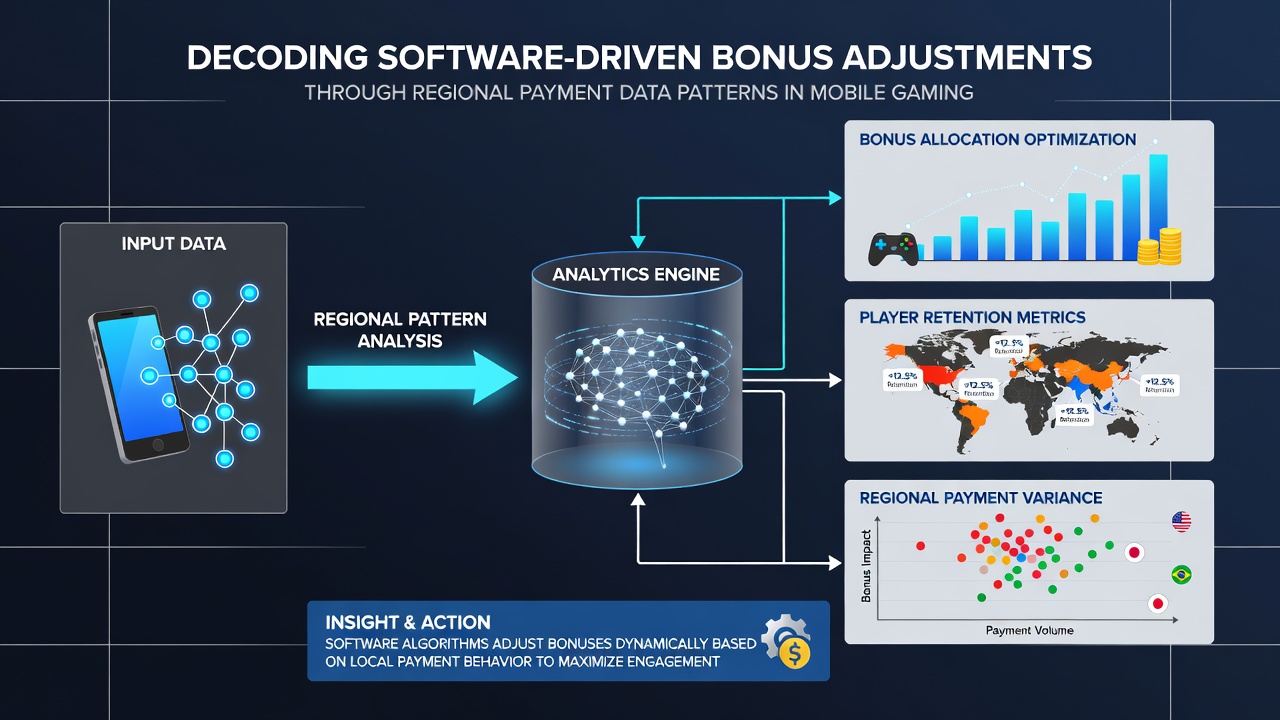
One documented case involved a major European operator whose software detected that players using certain instant bank transfer services completed wagering requirements at a 22 percent higher rate than average. The algorithm responded by raising the maximum bonus amount available through those channels, and subsequent quarterly reports showed a corresponding lift in completed playthroughs without any increase in regulatory complaints.
Regulatory and Technical Integration Points
Compliance frameworks in multiple jurisdictions require operators to maintain audit trails of how bonus parameters change, and payment-derived data now forms part of those records. Canadian provincial regulators, for instance, have begun requesting summaries that link bonus modifications to specific payment categories. Similar expectations appear in Australian state-level oversight documents, where operators must demonstrate that adjustments do not disproportionately favor one demographic over another.
Software vendors therefore embed reporting modules that export both the payment segmentation logic and the resulting bonus rule changes. These exports feed directly into regulatory submissions, reducing manual reconciliation time for compliance teams. Industry associations such as the International Association of Gaming Regulators have published guidance encouraging standardized data formats that accommodate regional payment variables.
Cross-Regional Data Sharing Mechanisms
Although individual operators guard proprietary datasets, anonymized benchmarking services allow developers to compare payment-to-bonus correlations across borders. A consortium of platform providers shares aggregated metrics through a neutral research institute, enabling smaller studios to calibrate their own systems against broader market signals. This arrangement has produced observable convergence in bonus structures for similar payment profiles even when operators serve entirely separate geographic footprints.
Technical standards bodies are also exploring API specifications that would let payment processors transmit structured metadata directly to gaming servers, further streamlining the data pipeline. Early pilots conducted in 2025 demonstrated reduced latency between transaction completion and bonus recalculation, and several vendors announced plans to expand those integrations by the end of 2026.
Conclusion
Regional payment data now functions as a primary input for mobile gaming bonus software, shaping everything from eligibility rules to multiplier values. As transaction diversity grows and regulatory reporting requirements tighten, developers continue refining the algorithms that translate those patterns into automated adjustments. Observers note that continued expansion of benchmarking services and standardized data formats will likely accelerate this trend through the remainder of the decade.