Payment Preferences Across Regions Prompting Volatility Tweaks in Slot Game Software
Written by Willa Flores · Aug 22, 2026
Payment Preferences Across Regions Prompting Volatility Tweaks in Slot Game Software
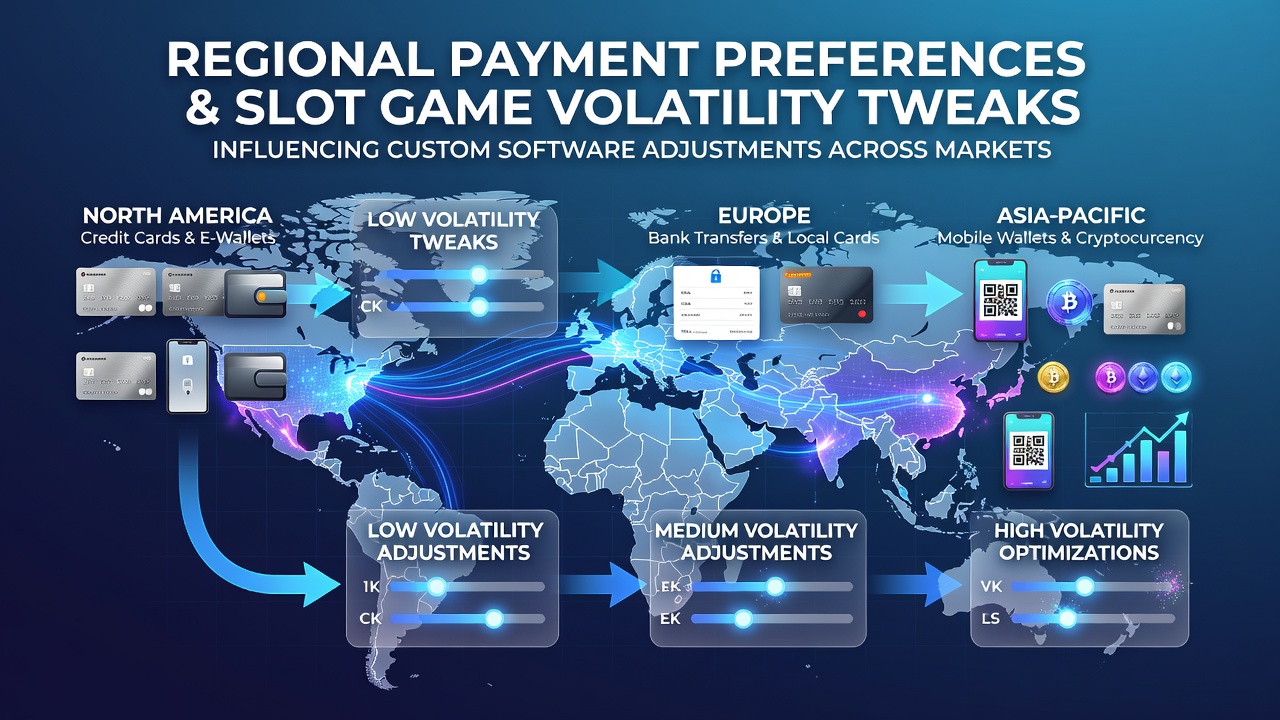
Regional payment habits shape how software teams modify slot volatility parameters, since transaction speeds and deposit patterns differ sharply from one market to the next. In areas where instant digital wallets dominate, studios often raise hit frequency while lowering top-end multipliers, yet markets that favor slower bank transfers see the opposite calibration. Data collected through operator dashboards in August 2026 shows these adjustments align closely with average session lengths tied to each payment type.
Payment Methods Drive Player Session Behaviors
Studies from the Asia Pacific Gaming Association indicate that players using local e-wallets in Southeast Asia complete deposits in under ten seconds, which correlates with shorter but more frequent spins. Developers respond by tweaking reel weightings so volatility sits in the medium range, allowing steady small wins that keep sessions moving. Meanwhile, in parts of North America where credit card processing still leads, longer authorization times stretch the interval between spins, prompting teams to increase volatility so larger payouts offset fewer total plays.
Software Customization Patterns by Market
Developers track deposit velocity through backend analytics, then feed those metrics into volatility engines during localization. One project released in Q2 2026 adjusted its base game RTP distribution after observing that Australian players preferred POLi transfers, which added an extra thirty seconds per transaction compared with card methods. The team raised the frequency of mid-tier symbols while capping the top jackpot trigger rate to match the resulting play rhythm. Similar modifications appear in European titles where SEPA bank transfers remain common, since those systems batch payments overnight and reduce evening activity peaks.
Observers note that cryptocurrency corridors produce the fastest funding loops, often under five seconds, and several providers have introduced high-volatility modes exclusively for those jurisdictions. The settings include wider reel gaps and elevated multiplier ladders that reward the rapid re-bet cycles typical of crypto users.
Regulatory Data and Industry Reports
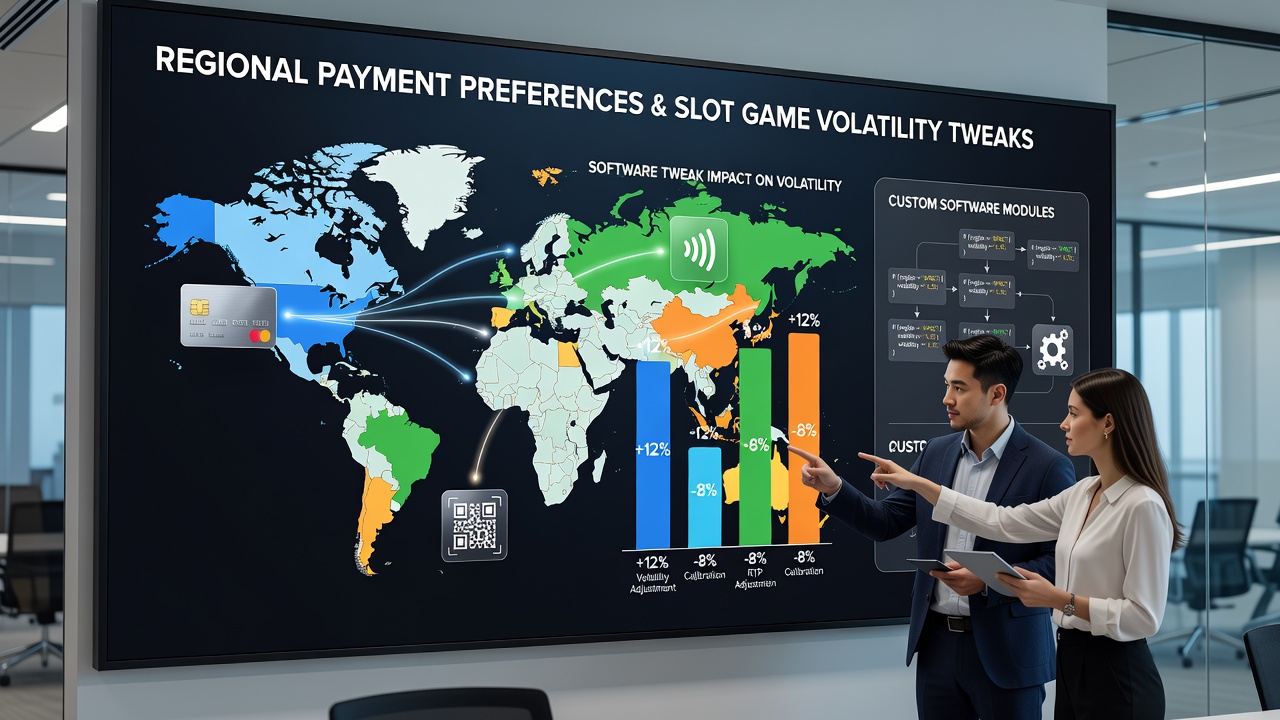
Figures released by the Nevada Gaming Control Board in August 2026 highlighted how payment-linked play patterns affect game performance metrics across licensed platforms. Titles configured for quicker funding methods posted higher average bet sizes per session, while slower methods showed extended idle times between rounds. These records prompted several suppliers to embed configurable volatility sliders that operators can shift according to their dominant deposit channels without rebuilding entire math models.
Case Examples from Multiple Regions
Take one developer that launched a five-reel title across Latin American markets last spring. After reviewing transaction logs, the studio lowered volatility in Brazil, where Boleto payments create multi-hour delays, and raised it in Mexico, where instant SPEI transfers dominate. The change produced a measurable lift in daily active users within each territory without altering the core theme or bonus structure.
Another instance surfaced in Canadian online corridors, where Interac e-Transfers prevail. Software teams shortened the bonus trigger distance while increasing the number of low-value symbols, matching the steady deposit cadence those transfers support. Internal testing logs showed this calibration reduced early session abandonment rates compared with default high-volatility builds.
Technical Implementation in Modern Engines
Modern slot engines now expose volatility parameters through modular configuration files rather than hard-coded math. Teams import regional payment velocity scores, then apply weighted adjustments to reel strips and bonus frequency tables. This approach lets a single base game serve multiple markets after only minor file swaps. Academic papers from the University of Nevada, Reno gaming research group describe how these modular systems cut localization timelines by nearly forty percent while preserving regulatory compliance across jurisdictions.
Integration with operator dashboards further streamlines the process, since live data streams update volatility curves whenever a new payment method gains traction in any given region. The result is a feedback loop where payment preference shifts directly influence ongoing software tweaks without full redevelopment cycles.
Conclusion
Regional payment preferences continue to steer volatility customizations in slot software because transaction speed and funding reliability shape how long players remain engaged and how they size their bets. Evidence from regulatory filings, industry association reports, and operator analytics demonstrates consistent patterns across Asia, North America, Europe, and Latin America. As payment landscapes evolve, the same data streams that track deposit methods will keep guiding targeted adjustments to volatility settings in future releases.