Navigating Cross-Platform Continuity: How Seamless Transitions Between Devices Alter Engagement Patterns in Digital Gambling
Written by Willa Flores · Jun 29, 2026
Navigating Cross-Platform Continuity: How Seamless Transitions Between Devices Alter Engagement Patterns in Digital Gambling
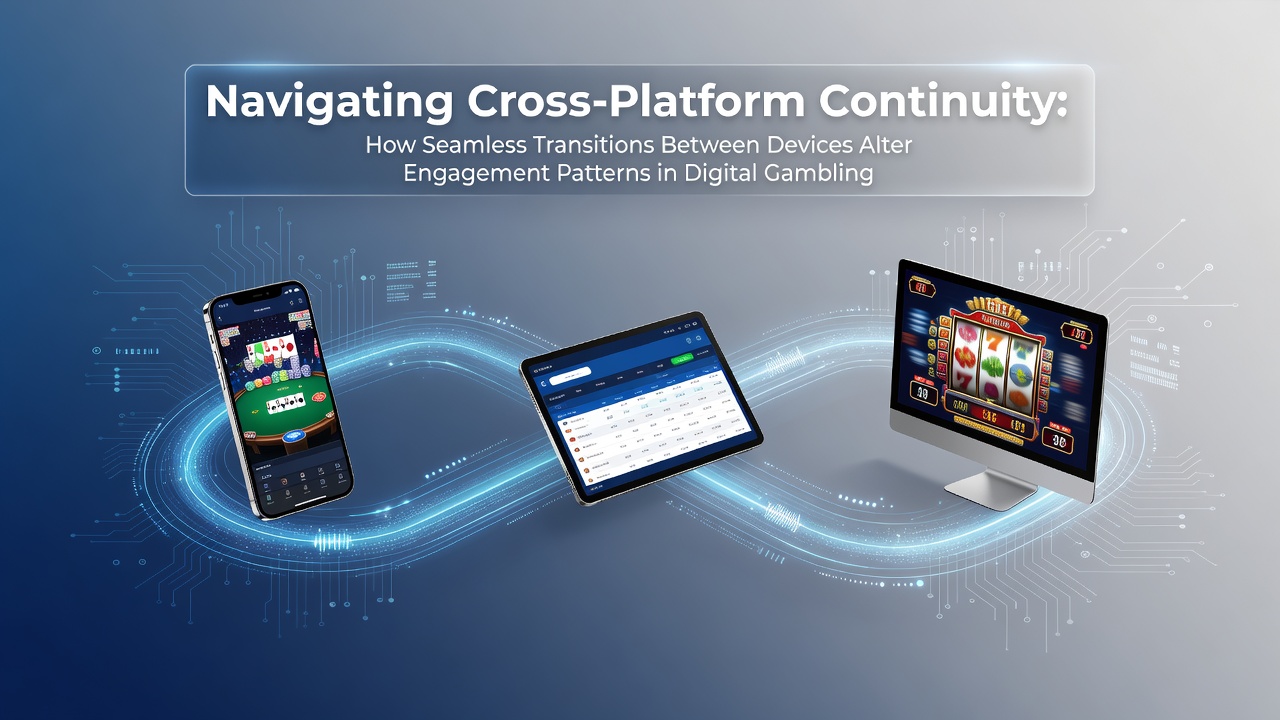
Digital gambling platforms have integrated account synchronization tools that allow users to move between smartphones, tablets, desktops, and other connected devices without losing progress or session data. These systems rely on cloud-based servers that store login credentials, game states, balance information, and bonus progress in real time. Operators report that such continuity features have become standard across major platforms since the mid-2020s, driven by advances in API integrations and secure data transfer protocols.
Core Mechanisms Behind Device Transitions
Seamless transitions depend on several interconnected technologies. Persistent login tokens maintain user identity across sessions while encrypted data streams update game positions instantaneously. When a player starts a slot session on a mobile app and later switches to a desktop browser, the platform loads the exact reel configuration and bet history from the central server. Research from industry analytics groups shows these processes reduce session interruptions by measurable margins in markets where high-speed internet coverage exceeds 85 percent of households.
Payment systems also synchronize during transitions. E-wallet balances and transaction histories remain accessible regardless of the access point, which eliminates the need for repeated verification steps. Data collected by platform operators in June 2026 indicated that users who complete at least one cross-device switch per week maintain active accounts for longer average durations than those who remain on single devices.
Shifts in Engagement Patterns
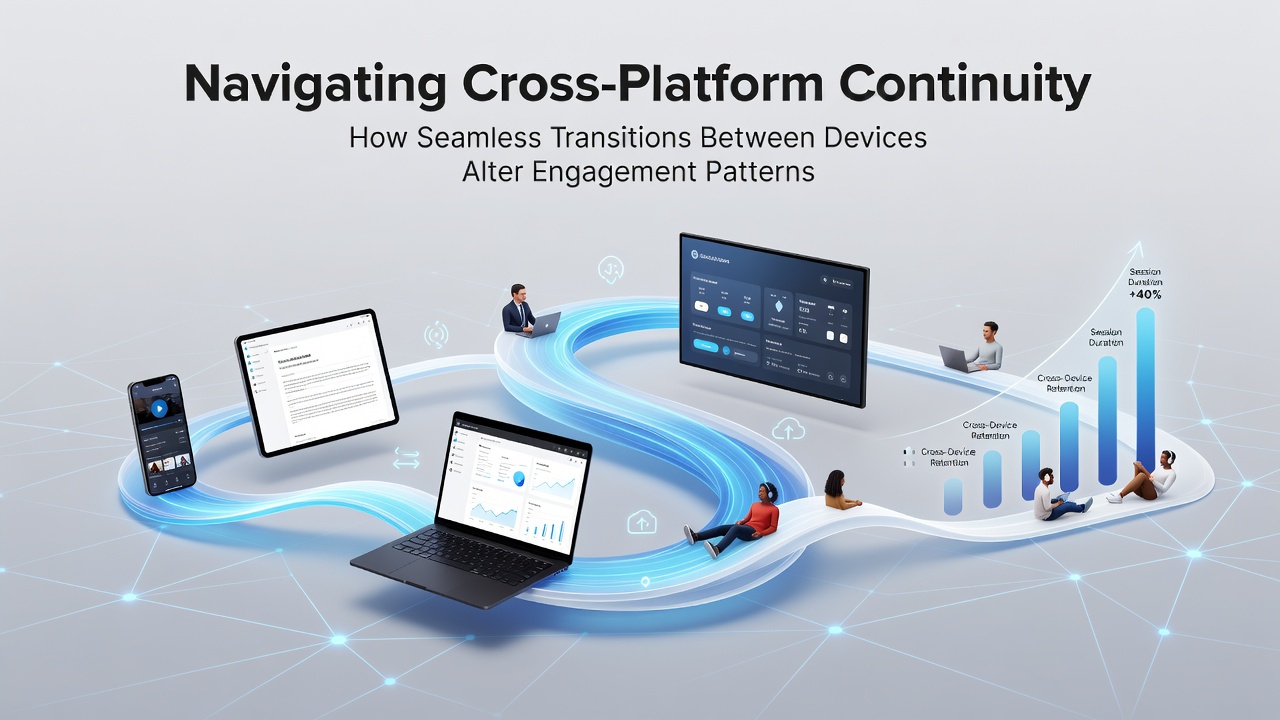
Engagement metrics change noticeably when continuity tools function without friction. Session lengths tend to extend because players resume activities during commutes, work breaks, or evening hours on larger screens. Frequency of logins often increases as well, since the barrier to re-entry drops once accounts remember prior states automatically.
Studies tracking user behavior across North American and European markets found that cross-platform features correlate with higher daily active user counts during peak commuting periods. The same datasets revealed that table game participation rises when players can move mid-session from mobile to desktop without restarting authentication processes. These patterns appear consistently in regions where regulatory frameworks permit real-time data sharing between licensed operators and their software partners.
Regional Regulatory Influences
Different jurisdictions shape how continuity features develop and operate. In Ontario, the Alcohol and Gaming Commission of Canada requires operators to maintain audit trails for every device switch to ensure responsible gambling limits transfer correctly. Australian regulators, through the Australian Communications and Media Authority, have examined data flows between devices to verify that age verification and spending caps remain consistent. These requirements push software developers to build standardized APIs that comply with multiple rule sets simultaneously.
European operators face additional layers of data protection rules that affect how session information moves across borders. Platforms must encrypt transition data and obtain explicit consent for multi-device tracking. Observers note that these constraints have not slowed adoption; instead, they have encouraged investment in privacy-preserving technologies that still deliver uninterrupted play.
Software Development Priorities
Providers now allocate significant resources to testing transition reliability under varying network conditions. Load balancing systems distribute traffic so that a sudden switch from cellular to Wi-Fi does not drop the connection or reset game parameters. Quality assurance teams simulate thousands of device handoffs each month to identify edge cases before updates reach production environments.
Analytics dashboards used by operators track transition success rates alongside traditional metrics such as time on site and deposit frequency. When success rates dip below internal thresholds, development teams prioritize fixes that restore continuity within defined time windows. Reports from June 2026 showed several major platforms achieving transition completion rates above 98 percent after targeted infrastructure upgrades.
Player Behavior Observations
Users who adopt multi-device habits demonstrate distinct patterns compared with single-device players. They tend to explore more game categories because the ability to continue a session on a preferred screen reduces friction associated with learning new titles. Loyalty program participation also rises, since progress toward rewards accumulates without device-specific resets.
Platform logs indicate that promotional notifications sent to one device often prompt immediate logins from another device later in the day. This cross-device response loop contributes to sustained activity levels throughout the week rather than concentrated bursts on weekends alone.
Conclusion
Cross-platform continuity has become an embedded component of digital gambling infrastructure. The technical systems that enable instant device switches influence how long players remain engaged, which games they select, and how frequently they return. Regulatory bodies across multiple regions continue to refine rules around data handling during these transitions, while software teams focus on reliability and compliance. As connectivity standards improve and user expectations evolve, the capacity to move fluidly between devices remains a central factor shaping participation patterns in licensed online gambling environments.