Inside Encryption Layers: How Security Protocols Quietly Shape Deposit Choices in Cross-Border Gaming Platforms
Written by Zoe Franke · Aug 15, 2026
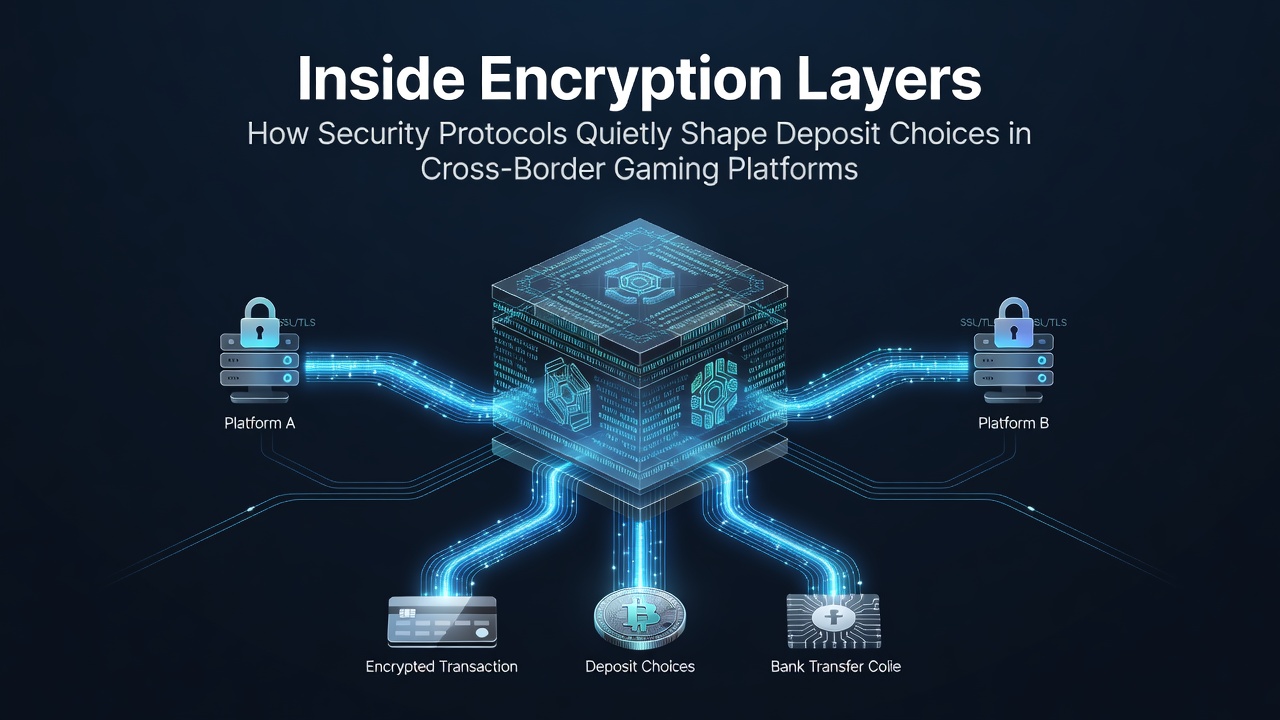
Inside Encryption Layers: How Security Protocols Quietly Shape Deposit Choices in Cross-Border Gaming Platforms
Security protocols built around layered encryption have become central to how operators handle deposits across international borders, and platforms now adjust their payment options based on the strength of those protections rather than marketing claims alone. Data from regulatory filings in multiple jurisdictions show that users select methods with end-to-end encryption at higher rates when crossing regulatory zones, while weaker channels see reduced activity after compliance updates take effect.
Encryption Standards Driving Payment Selection
Modern cross-border platforms integrate AES-256 and TLS 1.3 protocols into deposit pipelines, and these choices directly influence which banking rails operators promote to users in different regions. According to technical specifications published by the National Institute of Standards and Technology, implementations meeting federal encryption benchmarks reduce interception risks during fund transfers, leading platforms to prioritize those methods in markets with strict data transit rules. Operators report that deposit volumes shift toward encrypted e-wallets and tokenized card systems once regulators publish updated guidance on transit security, whereas legacy wire options lose share without similar upgrades.
Regional frameworks add another layer of pressure. Canada's digital gaming rules require documented encryption audits for any platform accepting deposits from multiple provinces, and similar expectations appear in Australian state licensing documents released during 2025. Platforms that fail to align their deposit flows with these benchmarks face restricted marketing approvals, which in turn steers user traffic toward competitors already meeting the standards.
Cross-Border Data Flows and Deposit Friction
When funds move between jurisdictions, encryption requirements change at each checkpoint, and platforms respond by surfacing only the deposit channels that satisfy the strictest applicable rules. Research from the European Gaming and Betting Association indicates that tokenized bank transfers maintain higher completion rates in multi-country environments because the encryption wraps both authentication and transaction data in a single session. Users encounter fewer verification loops when the protocol already satisfies overlapping regulations, and operators therefore highlight those options first in interface design.
August 2026 brought fresh guidance from several licensing bodies that explicitly tied encryption certification to deposit approval timelines. Platforms updated their supported methods within weeks, and transaction logs from that period show measurable migration away from unencrypted instant transfer services toward those carrying current audit seals. The pattern holds across different player segments, with higher-value deposits showing the clearest preference for certified channels.

Regulatory Alignment and Platform Adaptations
Licensing authorities in Asia-Pacific markets now require proof of encryption strength before approving any new payment integration, and this has prompted software providers to embed protocol selection tools directly into their backend systems. Observers note that platforms serving both European and North American users maintain separate deposit menus that automatically apply the stronger encryption standard when a session crosses those zones. The result appears in aggregate data as reduced chargeback rates for encrypted methods compared with standard card processing.
Industry reports compiled by academic research groups at institutions tracking digital commerce show that encryption upgrades correlate with longer session retention on deposit screens. Players who see clear security indicators during checkout complete transactions at higher rates, and operators respond by surfacing those indicators earlier in the flow. This adjustment happens quietly through interface changes rather than public announcements, yet the underlying protocol decisions determine which payment brands receive promotion.
Future Protocol Developments and Deposit Patterns
Quantum-resistant encryption standards are entering testing phases for gaming platforms, and early adopters already list those methods as preferred deposit options in regulatory submissions. Data collected through 2026 suggests that platforms announcing upcoming protocol migrations experience temporary spikes in deposit activity as users test the new channels. The shift remains driven by compliance timelines rather than user preference surveys, yet the measurable outcome is a gradual narrowing of available deposit methods to those carrying the latest encryption certifications.
Conclusion
Encryption layers continue to determine which deposit pathways remain viable in cross-border gaming environments, and regulatory updates scheduled through late 2026 will likely accelerate teh consolidation around certified protocols. Platforms that align their payment offerings with documented encryption benchmarks maintain broader geographic reach, while those relying on older standards face shrinking options in key markets. The quiet influence of these security requirements now shapes user choices more directly than promotional incentives or bonus structures.