How Software Providers Are Adapting Table Game Features to Align with Varying Global Payment Preferences
Written by Willa Flores · Jun 4, 2026
How Software Providers Are Adapting Table Game Features to Align with Varying Global Payment Preferences
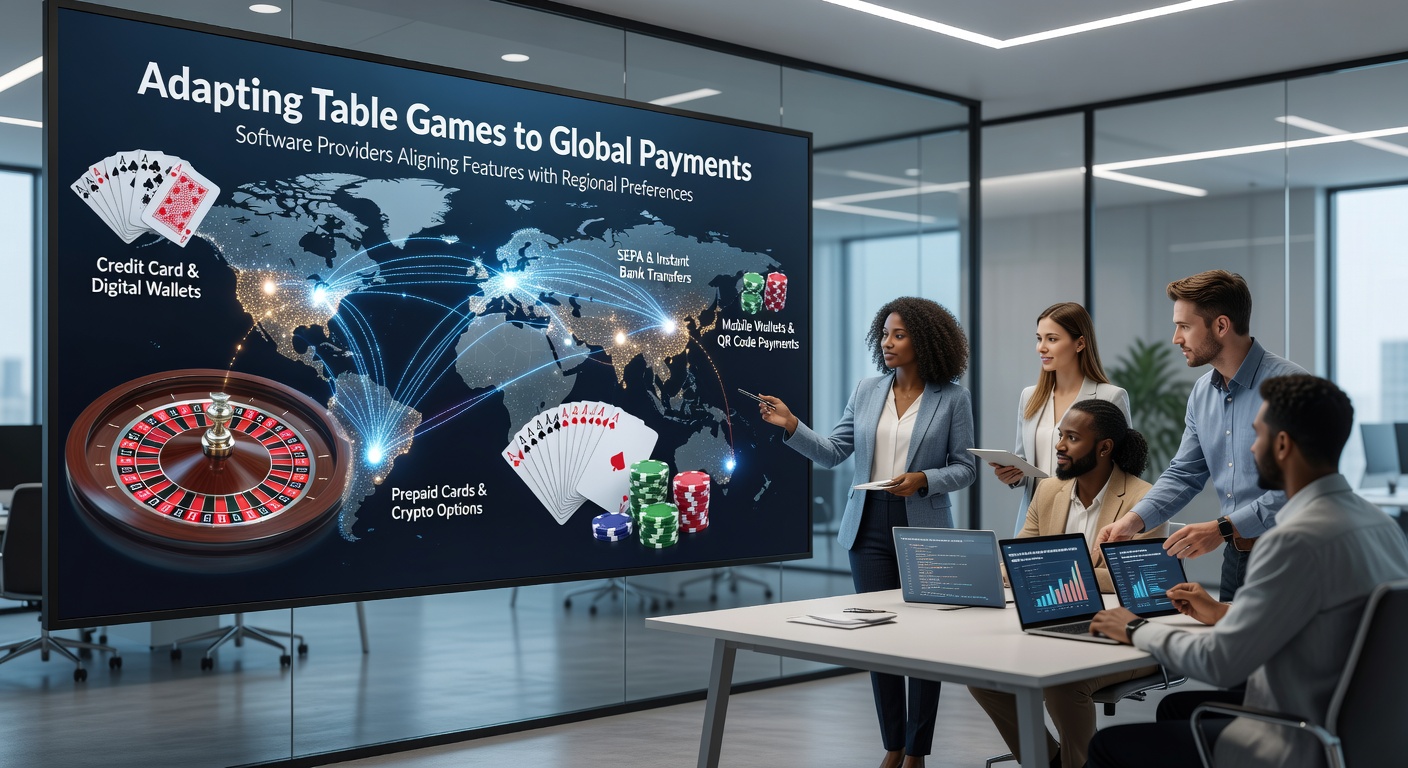
Digital table games have seen software providers implement targeted modifications to support payment methods that differ sharply by region, and these changes address everything from local bank transfers to emerging digital wallets while maintaining core gameplay mechanics. Data from industry reports indicate that integration of region-specific options has become standard practice among major developers by June 2026.
Understanding Global Payment Diversity in Table Games
Payment preferences vary widely across markets, with players in Latin America often favoring instant bank transfers through systems like Pix, whereas those in parts of Asia rely heavily on mobile wallets and unified payment interfaces such as UPI. European markets continue to show strong usage of e-wallets alongside traditional card methods, and North American jurisdictions have expanded support for both established processors and newer cryptocurrency options following regulatory updates. Observers note that these differences require providers to embed flexible transaction layers directly into table game interfaces rather than treating payments as separate add-ons.
Key Adaptations in Game Software Architecture
Providers have restructured backend systems to allow real-time currency conversion and bet sizing that aligns with local payment limits, which helps prevent disruptions during live dealer sessions or multiplayer blackjack rounds. Features now include automated verification that matches player accounts to preferred funding sources, and this reduces processing delays that previously interrupted game flow. Research indicates that such adjustments have improved transaction completion rates across international platforms, particularly where regulatory frameworks demand strict compliance with anti-money laundering rules.
Integration Examples from Leading Developers
Companies like Evolution Gaming and Playtech have rolled out updates that embed local payment gateways into roulette and baccarat interfaces, enabling seamless deposits mid-session without exiting the game environment. In one documented case, developers incorporated instant confirmation protocols for regional e-wallets that trigger automatic chip allocation, and this approach has been adopted in markets where speed matters for high-volume table play. Data released by the Australian Gambling Research Centre shows increased player retention on platforms that support these localized methods, with figures revealing higher engagement levels in regions using mobile-first payment solutions.

Additional modifications allow for dynamic display of available funding options based on detected player location, which ensures that table game lobbies present only relevant choices rather than overwhelming users with incompatible methods. Those who have studied platform analytics note that this customization correlates with reduced cart abandonment during deposit stages, especially in emerging markets where alternative payment rails dominate.
Regulatory and Technological Drivers Through Mid-2026
By June 2026, updates in several jurisdictions have prompted software adjustments that tie payment features more closely to licensing requirements, and this has accelerated adoption of modular payment APIs that can be swapped based on regulatory changes. Providers now routinely test table game builds against multiple compliance standards simultaneously, which allows quicker rollout when new payment preferences gain traction. A report from the Alcohol and Gaming Commission of Ontario highlights how synchronized verification tools have helped align cross-border operations with local expectations, reducing friction for operators serving diverse player bases.
Technical enhancements also extend to security layers that encrypt payment data within the game engine itself, and this integration prevents separate redirects that once broke immersion in live table environments. Experts have observed that such measures support both high-stakes poker variants and casual roulette sessions without compromising speed or regulatory adherence.
Future Trends in Payment-Enabled Table Game Design
Ongoing development focuses on predictive features that anticipate payment method shifts based on usage patterns, allowing providers to pre-configure table interfaces ahead of market expansions. Collaboration with financial technology firms has introduced support for hybrid options that combine traditional banking with digital assets, and this trend appears in several upcoming releases scheduled for later in 2026. Those monitoring the sector report that these layered approaches help maintain consistent gameplay experiences even as payment ecosystems continue to evolve across continents.
Conclusion
Software providers continue to refine table game features through targeted payment integrations that reflect regional differences, and evidence from regulatory bodies and industry analyses confirms measurable impacts on accessibility and operational efficiency. These adaptations, driven by both market demands and compliance needs, position digital table gaming to accommodate an expanding range of global preferences without altering fundamental rules or user interactions. As platforms scale further, the emphasis remains on flexible architectures that respond to new payment developments as they arise.