How Emerging Casino Software Enhances Strategic Play in Mobile Table Games Through Tailored Bonus Mechanisms
Written by Paul Schmitt · May 30, 2026

How Emerging Casino Software Enhances Strategic Play in Mobile Table Games Through Tailored Bonus Mechanisms
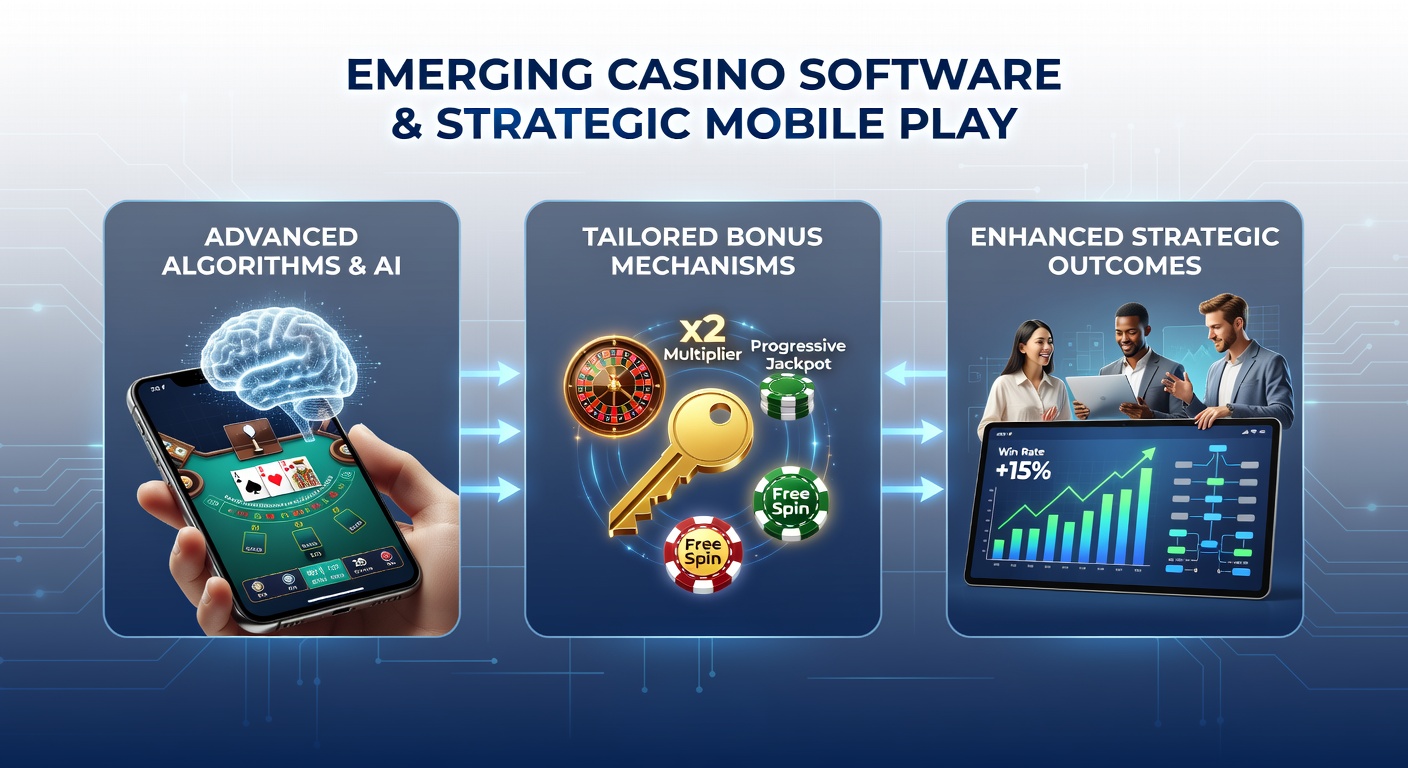
Emerging casino software integrates advanced algorithms that analyze player patterns in real time, adjusting bonus structures to reward calculated decisions rather than random bets in mobile table games. Developers deploy machine learning models that track metrics such as bet sizing, timing between actions, and adherence to optimal strategies in games like blackjack, baccarat, and poker variants. These systems deliver personalized incentives that align with long-term play objectives while maintaining compliance with jurisdictional standards.
Core Components of Modern Casino Software Architectures
Software platforms now incorporate modular engines that separate game logic from bonus delivery systems, allowing operators to update reward parameters without altering core mechanics. Data pipelines collect anonymized session information across devices, feeding into predictive models that forecast engagement levels. In May 2026, several providers rolled out updates that synchronize these engines with cross-device profiles, ensuring continuity when users switch between smartphones and tablets during extended sessions.
Observers note that such architectures reduce latency in bonus activation to under 200 milliseconds, preserving flow during critical decision points like doubling down or splitting pairs. Integration with secure APIs enables seamless verification of player accounts, supporting faster reward disbursement while adhering to data protection protocols established in multiple regions.
Tailored Bonus Structures and Their Design Logic
Bonus mechanisms fall into categories that include progressive multipliers, conditional cashback tied to strategy adherence, and tiered free-bet credits triggered by consecutive optimal plays. Algorithms evaluate historical performance against baseline strategy charts, then scale reward values accordingly. For instance, a player maintaining above 95 percent accuracy in blackjack basic strategy might receive escalating multipliers on subsequent hands, whereas deviations trigger neutral or reduced offers.
These tailored elements operate through decision trees that branch based on variables such as bankroll percentage wagered and session duration. Research from industry analytics firms indicates that dynamic scaling increases repeat engagement by aligning incentives with skill development rather than volume alone. Developers test these trees extensively in sandbox environments before deployment to avoid unintended bias toward high-risk behaviors.
Application in Specific Mobile Table Games
In mobile blackjack, software detects when players follow deviation charts for card counting simulations and issues targeted reload bonuses that extend playtime during favorable counts. Roulette apps employ similar logic by rewarding consistent outside-bet patterns that reflect bankroll management principles, converting those patterns into redeemable points usable in subsequent rounds. Poker clients embed bonus triggers around fold equity calculations, granting micro-stakes entries after sequences of disciplined pre-flop decisions.
Case studies compiled by platform providers reveal measurable shifts in average decision quality when these mechanisms activate. One dataset covering European markets showed a 12 percent rise in strategy-compliant moves among users exposed to tailored offers over a six-month period ending in early 2026. Such outcomes stem from reinforcement loops that make optimal play financially advantageous within the software environment.
Regulatory and Technical Safeguards in 2026
Jurisdictions including those overseen by the Nevada Gaming Control Board and the Canadian Gaming Association require operators to document how bonus algorithms avoid encouraging excessive play. Audits focus on transparency logs that detail the criteria for each personalized offer. Software vendors respond by embedding audit trails directly into the bonus engine, enabling regulators to review decision trees without accessing individual player identities.
Technical standards updated in 2025 mandate that all mobile clients display clear terms at the moment of bonus eligibility, reducing disputes over qualification. These rules apply equally to live dealer streams and fully digital table interfaces, ensuring parity across formats.
Conclusion
Emerging casino software continues to refine the connection between bonus delivery and strategic execution in mobile table games. Through real-time analytics and adaptive reward frameworks, platforms create environments where informed choices receive direct reinforcement. Data compiled through 2026 demonstrates consistent correlations between these mechanisms and improved decision metrics across user bases, supporting broader adoption while regulatory frameworks maintain oversight of fairness and transparency.