How Auditory Cues and Visual Responses Maintain Engagement in Digital Slot Environments
Written by Logan Braun · Aug 6, 2026
How Auditory Cues and Visual Responses Maintain Engagement in Digital Slot Environments
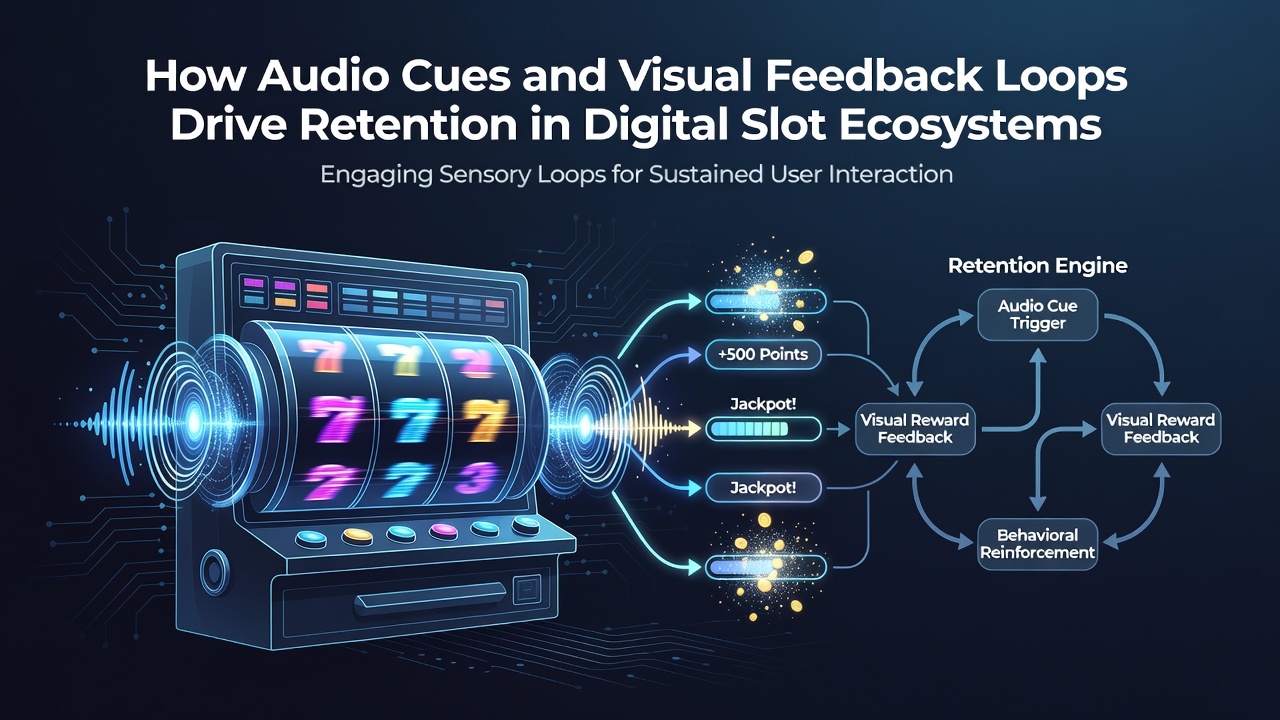
Digital slot platforms rely on coordinated audio signals and visual response systems to shape session duration and repeat participation rates, with developers integrating layered soundtracks alongside dynamic screen animations that activate during wins, near-misses, and bonus triggers. These elements form feedback loops where immediate sensory confirmation follows each spin outcome, and data from operator platforms indicates such designs correlate with extended play intervals across multiple jurisdictions.
Audio Design Components in Slot Interfaces
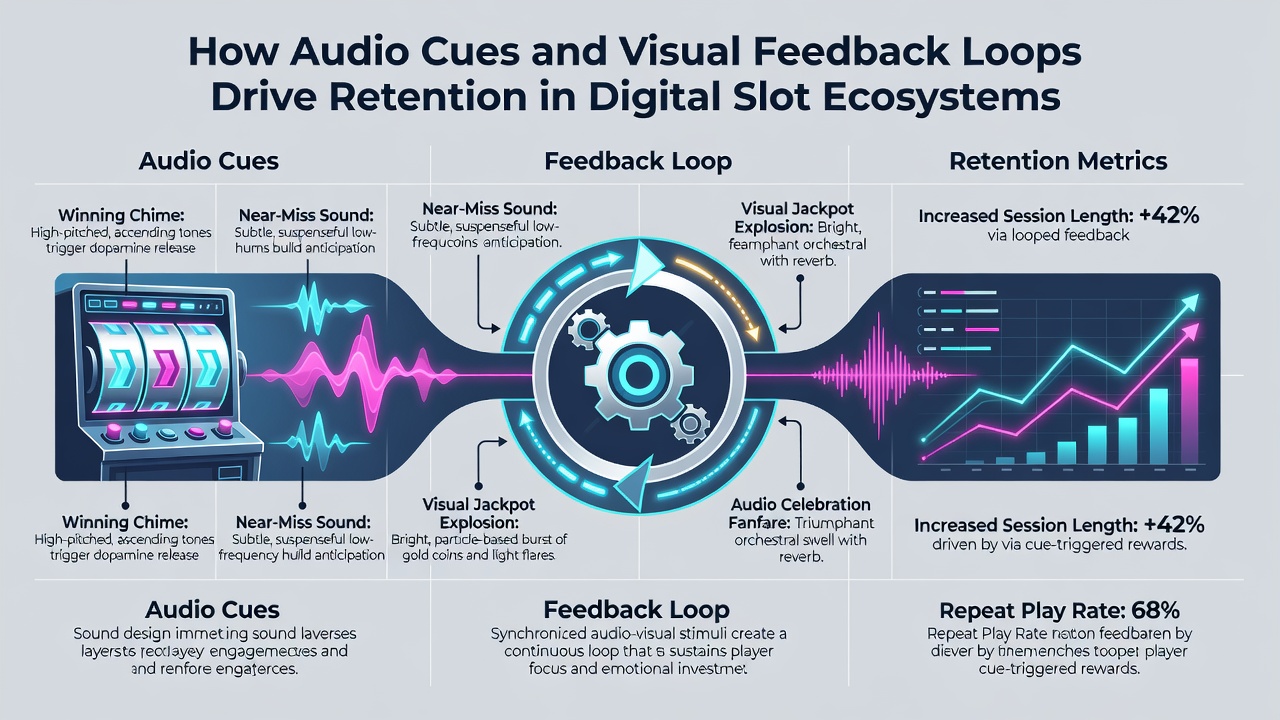
Sound engineering in slot software incorporates escalating musical tracks that intensify during winning sequences while employing distinct tonal cues for scatter symbols and free spin activations, and researchers tracking player logs note that these auditory markers prompt quicker re-engagement after each result resolves. Background ambient effects vary by theme yet maintain consistent volume thresholds that avoid player fatigue, whereas celebratory chimes scale in pitch and duration based on payout size to reinforce positive associations without disrupting flow.
Studies from academic institutions have examined how variable reward audio patterns align with established behavioral reinforcement models, and findings from the University of Nevada, Reno demonstrate measurable increases in session continuity when sound layers update in real time according to accumulated bet history. Operators adjust these parameters through A/B testing modules built into casino management systems, which allows fine-tuning of frequency and intensity based on aggregated regional data sets.
Visual Feedback Mechanisms and Animation Timing
Screen responses in contemporary slot titles feature particle effects, expanding reel frames, and color shifts that activate synchronously with audio events, creating multisensory confirmation that registers each outcome within milliseconds of the result display. Developers program these visuals to linger briefly on higher-value wins while shortening animation cycles for smaller returns, and platform analytics reveal that this calibrated pacing contributes to reduced voluntary exit rates during standard base game play.
Progressive jackpot meters incorporate pulsing visual elements paired with rising audio indicators, and industry reports compiled in August 2026 from multiple North American operators showed sustained activity spikes around these shared progressive features when visual updates occurred at sub-second intervals. Mobile versions adapt these elements through responsive scaling that preserves clarity on smaller displays, whereas desktop clients leverage higher resolution assets to deliver denser graphical detail during feature rounds.
Integration of Feedback Loops Across Platforms
Modern slot engines link audio and visual outputs through centralized event triggers that synchronize both channels within unified code frameworks, and this coordination enables seamless transitions between base game spins and bonus sequences without perceptible delays. Regulatory filings submitted to the New Jersey Division of Gaming Enforcement document how these synchronized systems undergo compliance review for fairness while permitting operators to retain creative control over sensory presentation styles.
Cross-device consistency receives particular attention from development teams, since players frequently switch between mobile and desktop sessions within the same account, and retention metrics collected by software providers indicate stronger return rates when audio-visual pairings remain uniform across hardware types. Adaptive algorithms further modify intensity levels according to time-of-day patterns observed in user activity logs, which helps maintain engagement during peak evening hours without overwhelming daytime participants.
Regional Adaptations and Compliance Considerations
Software studios tailor audio-visual intensity to align with local regulatory expectations, and submissions to Canadian provincial gaming authorities illustrate how certain markets request adjustable volume caps or optional visual intensity sliders for accessibility compliance. European operators similarly reference technical standards from the Malta Gaming Authority when certifying new titles, which ensures sensory elements meet established thresholds while supporting continued innovation in feedback design.
Data aggregation tools employed by platform providers track retention differentials between titles featuring varied sensory configurations, and comparative analyses released in mid-2026 highlighted measurable differences in average session length when operators deployed updated audio libraries versus legacy sound sets. These insights feed directly into iterative development cycles that prioritize elements demonstrating strongest correlation with repeat visits.
Conclusion
Audio cues combined with visual feedback loops represent core architectural features within digital slot ecosystems, and ongoing platform refinements continue to leverage performance data to optimize these components for sustained participation across diverse player demographics and regulatory environments.