Examining Data-Driven Adjustments In Bonus Wagering Requirements Based On Player Activity Logs From Digital Gambling Operators
Written by Logan Braun · Jun 15, 2026
Examining Data-Driven Adjustments In Bonus Wagering Requirements Based On Player Activity Logs From Digital Gambling Operators
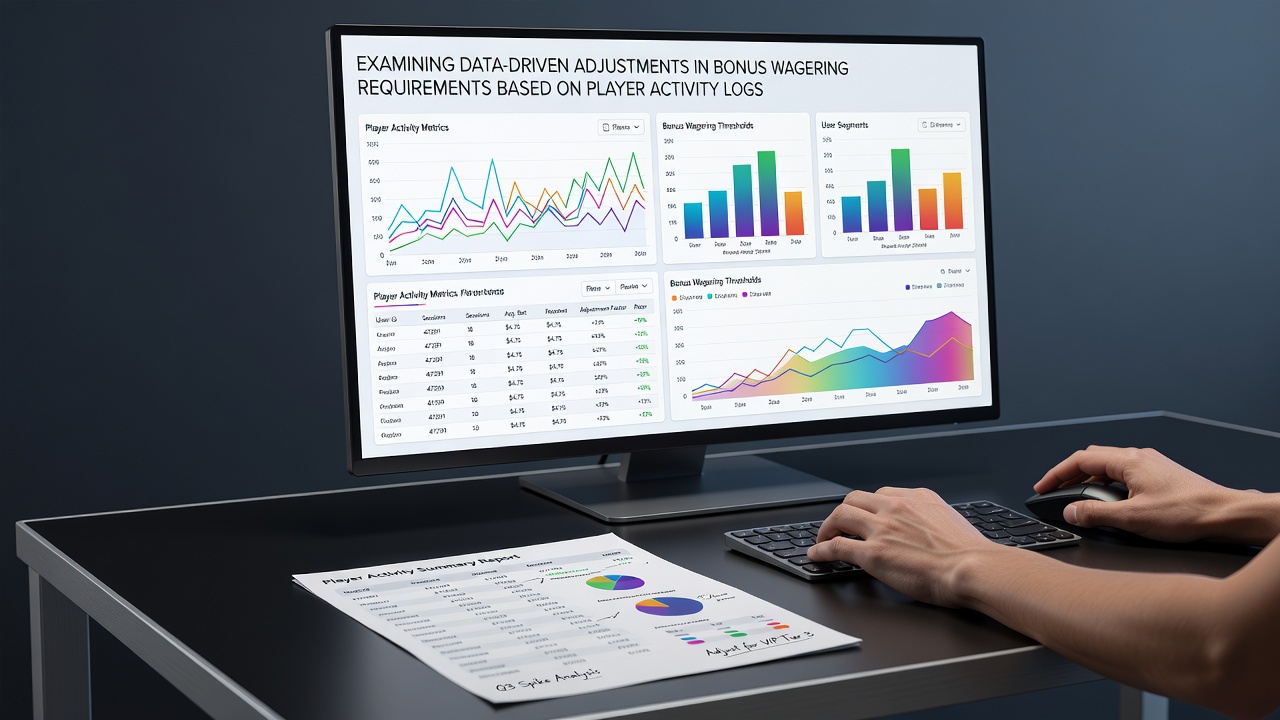
Digital gambling operators track detailed player activity logs to refine bonus wagering requirements on an ongoing basis, and these systems rely on metrics such as session duration, bet frequency, deposit patterns, and game type preferences. Operators collect this information through integrated casino management software that timestamps every interaction, then feed the data into algorithms designed to recalibrate wagering multipliers for individual accounts or player segments.
Core Components of Activity Log Analysis
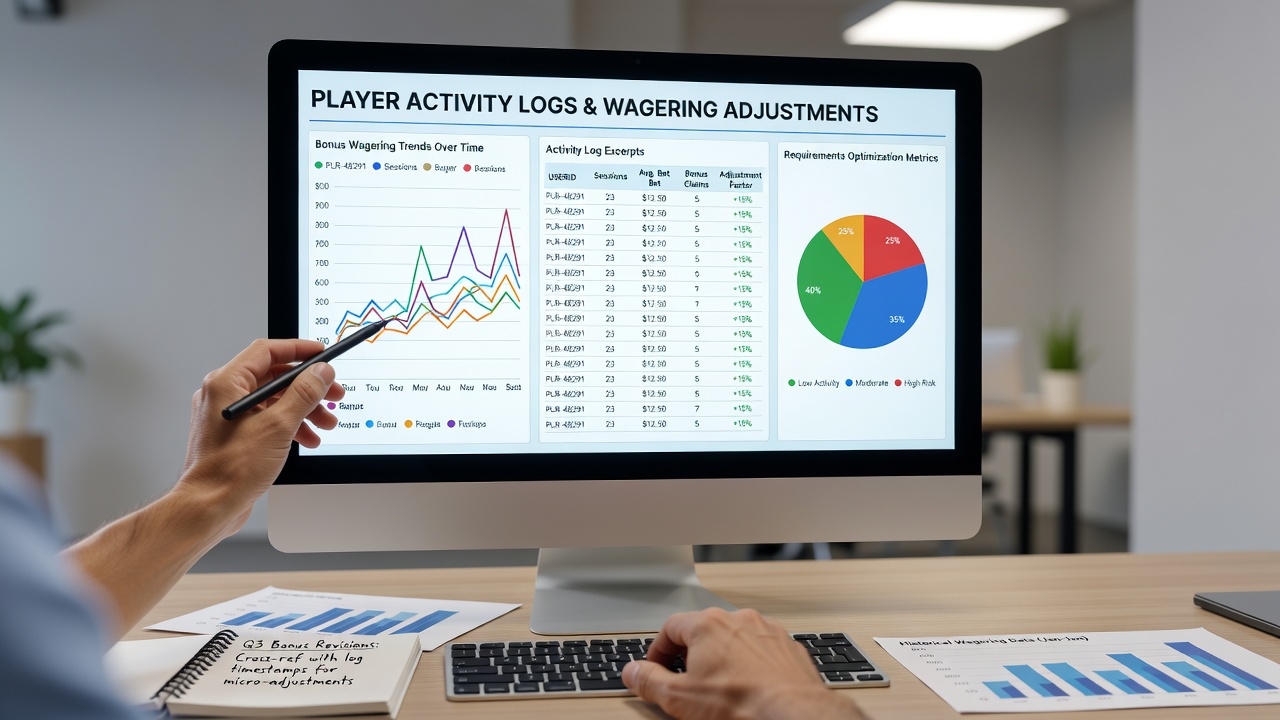
Activity logs capture raw events including spins completed, average stake per round, win-loss ratios within defined time windows, and bonus redemption rates, while operators aggregate these points into profiles that classify players by risk level and engagement intensity. Data pipelines process the logs in batches or near real time, allowing systems to flag accounts that show rapid bonus clearing or prolonged low-activity periods.
Researchers at institutions studying behavioral analytics note that operators often segment logs by device type and geographic region because mobile sessions tend to feature shorter durations and different stake distributions compared with desktop play. In June 2026 several platform operators reported that their models adjusted wagering thresholds more frequently for accounts logging in from high-regulation jurisdictions, where compliance reporting intervals require tighter documentation of bonus terms.
Adjustment Mechanisms in Practice
Algorithms apply rule sets that raise or lower wagering multipliers when predefined thresholds are crossed, for example increasing the requirement from 30x to 45x when logs show repeated bonus claims within a seven-day window without corresponding deposit growth. Conversely, the same systems reduce multipliers for accounts demonstrating steady deposit patterns and diversified game play, because those signals correlate with longer-term retention according to internal operator reports.
Operators integrate these adjustments through automated scripts that update bonus terms at the moment of claim, and players receive notification via account dashboards or email summaries that reference the specific activity metrics triggering the change. This process operates alongside manual review queues where compliance teams examine outlier cases flagged by the automated layer.
Regional Regulatory Influences on Data Practices
Regulatory bodies in multiple jurisdictions require operators to maintain auditable records of how activity data informs bonus modifications, and these mandates shape the granularity of logs retained. The Nevada Gaming Control Board specifies retention periods and data formats that operators must follow when demonstrating that adjustments remain consistent with approved marketing plans. Similar frameworks exist under the Ontario iGaming regime, where licensed platforms submit quarterly summaries detailing the frequency and rationale behind dynamic wagering changes.
European operators align their systems with guidelines issued by national authorities in Malta and Sweden, which emphasize transparency around automated decision-making. Industry reports from the European Gaming and Betting Association indicate that operators in those markets now include data fields for adjustment timestamps and triggering metrics within their standard compliance exports.
Technical Infrastructure Supporting Adjustments
Modern platforms rely on distributed databases that store event streams from game servers, payment gateways, and customer relationship management tools, then route selected fields into analytics clusters running supervised learning models. These models are retrained periodically using historical logs to improve prediction accuracy for which player behaviors warrant requirement changes.
Security protocols encrypt log transmissions between front-end applications and backend processors, and operators implement access controls that limit visibility of raw player identifiers to authorized personnel. Integration with third-party verification services adds additional layers that cross-reference activity patterns against know-your-customer records before any adjustment is finalized.
Observed Outcomes Across Operator Networks
Platform operators that publish aggregated statistics show measurable shifts in bonus liability after implementing log-driven adjustments, with some reporting reduced variance in player lifetime value metrics. Academic papers examining anonymized datasets from multiple operators have documented correlations between dynamic wagering calibration and changes in session length distributions.
One study released in early 2026 analyzed logs spanning twelve months and found that accounts receiving downward adjustments exhibited higher rates of continued deposits in the subsequent thirty days compared with static-requirement control groups. These findings emerged from datasets supplied under research agreements that preserved operator anonymity while allowing statistical validation.
Conclusion
Data-driven adjustment systems continue to evolve as operators refine the variables drawn from activity logs and integrate newer machine-learning techniques that account for seasonal play fluctuations and cross-platform behavior. Regulatory expectations around documentation and fairness testing remain central to how these systems are deployed, and operators maintain detailed audit trails that map each requirement change back to specific log entries. As platforms expand across additional markets, the alignment between technical capability and regulatory oversight shapes the pace at which further refinements appear in production environments.