Collaborative Shifts Between Game Studios and Transaction Handlers Redefining Reward Structures
Written by Willa Flores · Jul 27, 2026
Collaborative Shifts Between Game Studios and Transaction Handlers Redefining Reward Structures
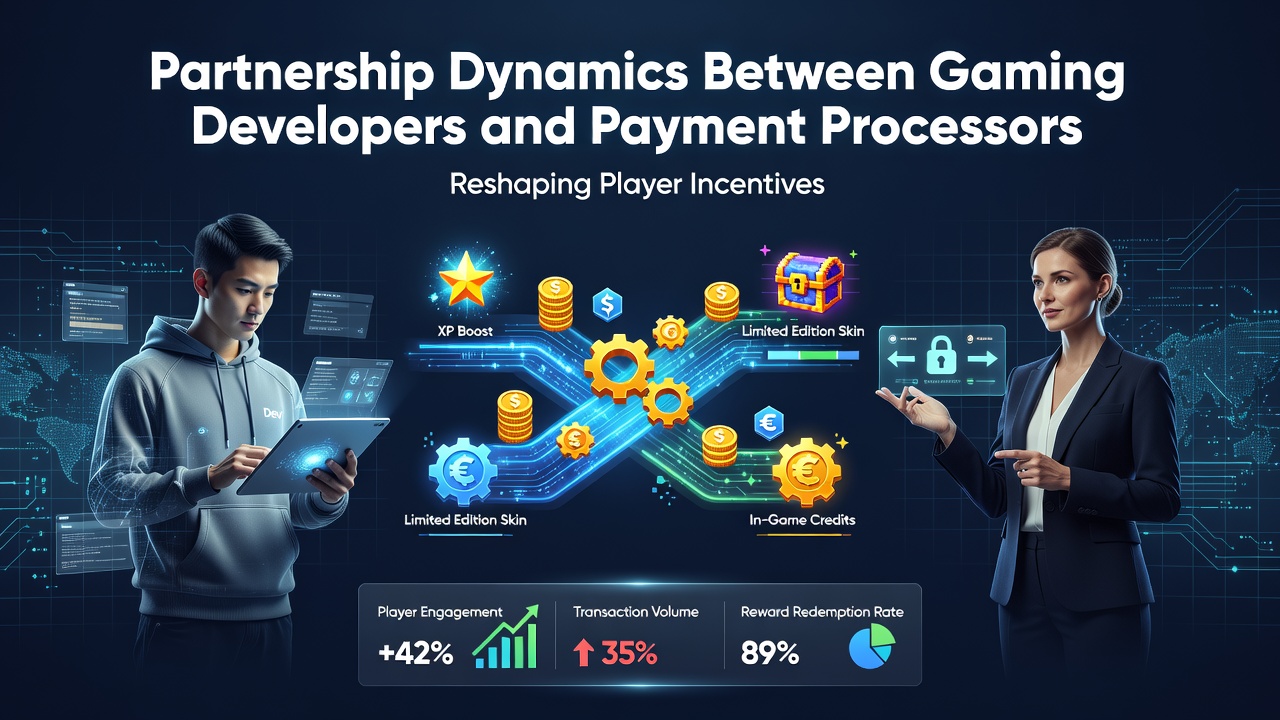
Partnerships between gaming developers and payment processors have expanded rapidly as both sectors seek to align technical capabilities with player engagement tools, and these arrangements now influence how rewards, bonuses, and loyalty mechanisms operate across platforms. In July 2026 industry reports noted several new integration frameworks that link transaction data directly to in-game reward triggers, allowing developers to adjust incentive timing based on payment patterns observed in real time.
Technical Foundations of Current Partnerships
Game studios supply the backend systems that track player activity while payment processors manage the flow of funds and verification steps, and together these groups create shared APIs that feed transaction histories into reward engines. Observers note that such connections reduce latency between a completed deposit and the activation of a bonus round, since the processor can signal confirmation directly to the game server rather than routing through multiple intermediaries.
Payment providers have introduced modular compliance layers that developers embed into their titles, and these layers handle regional currency conversions alongside responsible gaming flags without requiring separate code branches for each market. Data from the Australian Communications and Media Authority shows that platforms using these integrated modules recorded fewer transaction declines during peak hours in early 2026 compared with older separated systems.
Incentive Models Shaped by Shared Data Streams
Reward structures now draw on combined datasets that merge play duration with deposit frequency and average transaction size, enabling developers to offer personalized multipliers that scale with verified payment history. Processors supply anonymized cohort data that studios use to calibrate the size and frequency of free-spin allocations or cashback percentages, and this approach replaces the earlier practice of applying uniform bonuses across all accounts.
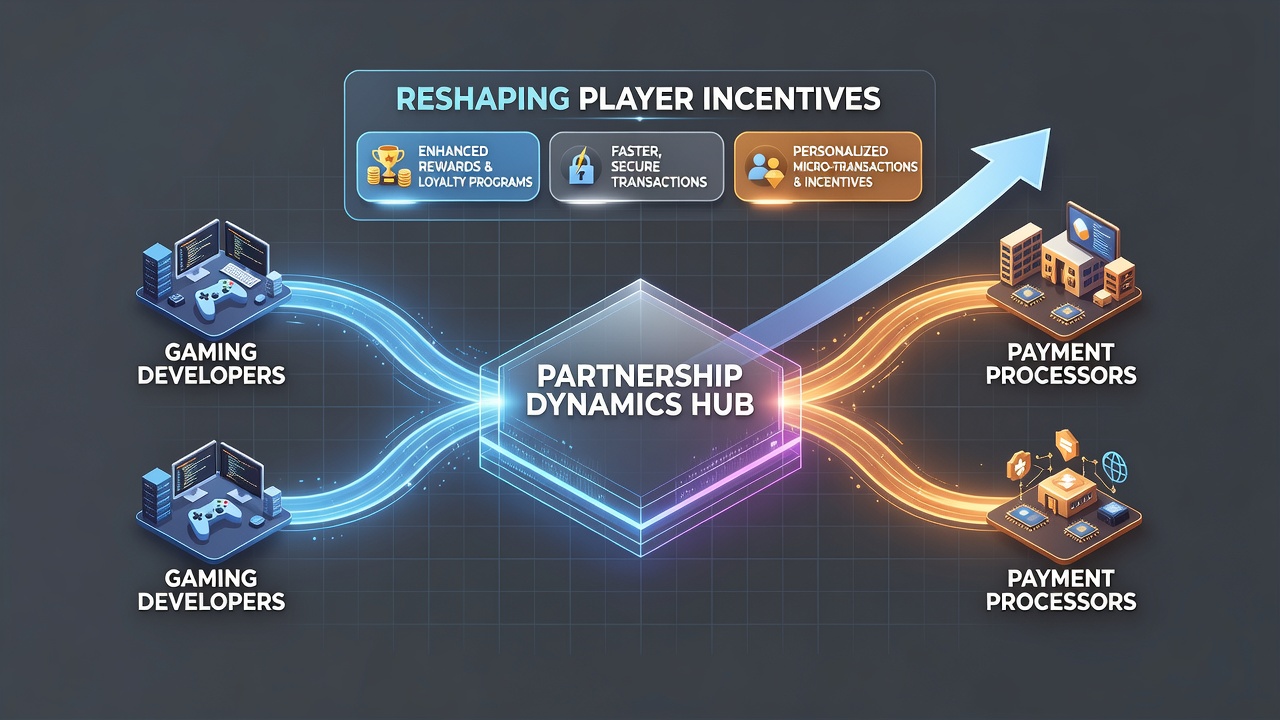
One integration example involves a processor notifying the studio when a player completes a qualifying deposit sequence, after which the game automatically unlocks a tiered loyalty boost; the entire sequence completes within seconds because the two systems share a secure event bus. Researchers tracking these implementations report that conversion rates from deposit to active play session have risen in markets where such direct signaling operates without additional player prompts.
Regulatory and Compliance Considerations in 2026
Agencies in multiple jurisdictions require that any incentive tied to a financial transaction must include clear audit trails, and the partnerships address this by logging both the payment event and the reward trigger under a single reference identifier. The Alcohol and Gaming Commission of Ontario has published guidance documents that outline acceptable data-sharing scopes between licensed operators and their processor partners, emphasizing encryption standards and player consent mechanisms.
Developers must still maintain separate control over game mathematics and outcome generation, while processors retain oversight of fund movement and anti-money-laundering checks, creating a division of responsibilities that both sides document in joint compliance filings. In July 2026 several Canadian and Australian platforms submitted updated technical specifications that reflected these clarified boundaries, allowing regulators to review incentive logic without accessing full payment ledgers.
Market Examples and Implementation Patterns
Studios operating in regulated European and North American markets have released titles that include optional reward modules activated only after the processor confirms a deposit meets local responsible-gaming thresholds. These modules adjust bonus values dynamically according to the player's recent transaction velocity, and the adjustment rules remain stored on the processor side to prevent unauthorized modification by the game client.
Take one studio that partnered with a processor specializing in instant bank transfers: the collaboration produced a loyalty program where points accrue immediately upon deposit confirmation rather than at the end of a billing cycle, and player retention metrics tracked by the studio showed sustained session lengths during the first month after rollout. Similar patterns appear in platforms that link processor-supplied risk scores to the size of welcome incentives, ensuring higher-value offers reach accounts with established payment histories.
Conclusion
The ongoing alignment between gaming developers and payment processors continues to produce tighter connections between financial activity and in-game rewards, supported by shared technical standards and regulatory frameworks that emerged through 2026. These arrangements rely on clearly defined data-exchange protocols that preserve each party's core responsibilities while enabling more responsive incentive delivery across platforms. As integration methods mature, the same structures are expected to support additional features such as cross-title loyalty tracking and region-specific reward scaling without requiring separate compliance pathways for each new title.