Blackjack on the Go: Reshaping Strategies for Mobile Play
Written by Logan Braun · Apr 23, 2026
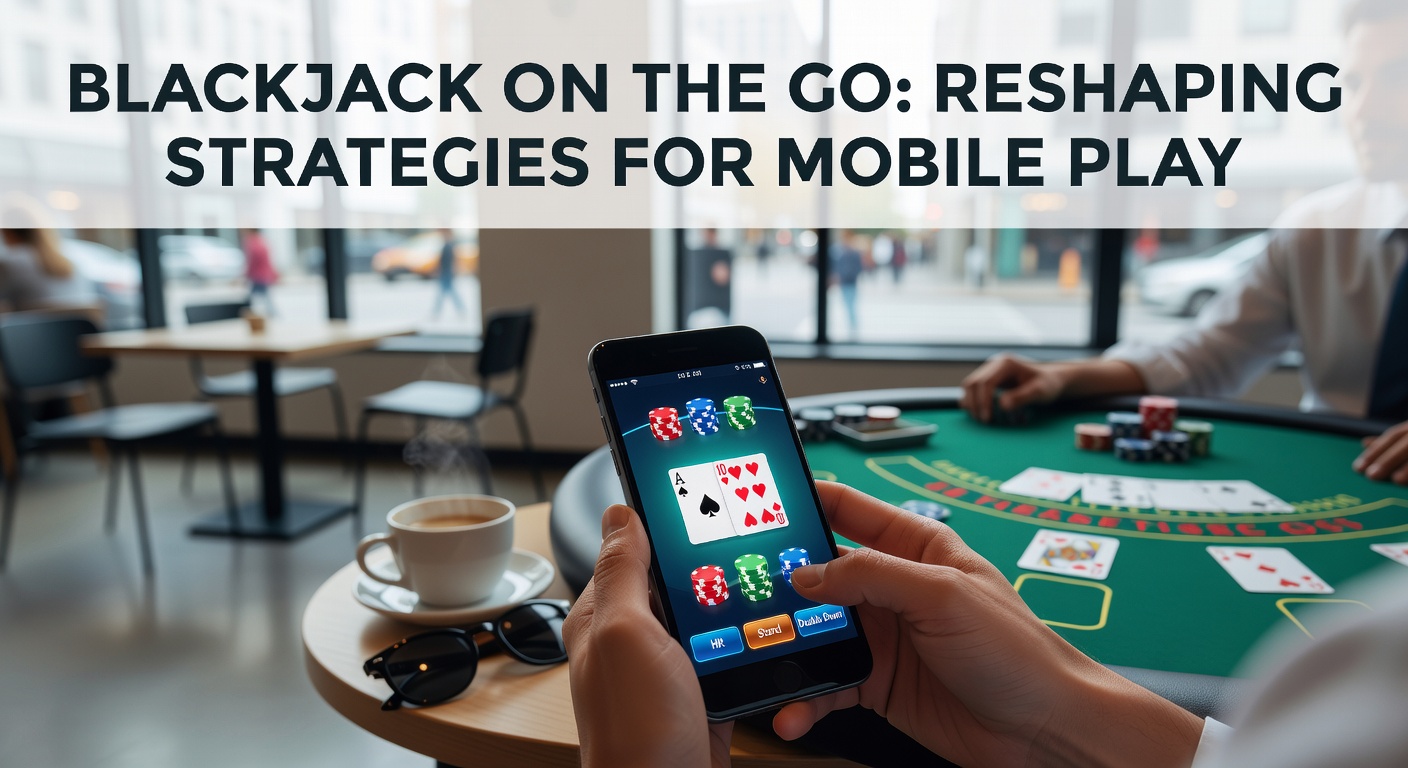
Blackjack on the Go: Reshaping Strategies for Mobile Play
Blackjack, that timeless casino staple where players chase the perfect 21, has shifted dramatically toward mobile screens; data from recent years shows mobile devices now account for over 60% of all online blackjack sessions worldwide, a trend accelerating as smartphones pack more power and apps deliver seamless experiences on the go.
What's interesting is how this mobility reshapes everything from basic decisions to bankroll management, since players squeeze games into commutes, breaks, or downtime, often under split-second pressures that desktop setups rarely impose.
The Shift to Mobile: From Tables to Touchscreens
Back in the early 2010s, online blackjack mirrored land-based tables with clunky desktop interfaces requiring full focus and stable connections; fast-forward to today, and optimized apps from major platforms handle millions of hands daily on iOS and Android, where touch controls replace mouse clicks and portrait-mode layouts cram action into smaller displays.
Researchers at the UNLV International Gaming Institute tracked this evolution through player data, revealing that by 2025, mobile blackjack traffic surged 45% year-over-year in the US alone, driven by 5G rollout and one-tap logins that let users jump in without setup hassles.
And here's where it gets interesting: session lengths shortened dramatically—average playtime dropped from 45 minutes on desktop to just 12 on mobile—yet frequency spiked, with many players logging 5-7 short bursts daily instead of marathon grinds.
Tech Under the Hood Driving the Change
Modern mobile blackjack leverages HTML5 for instant play without downloads in some cases, while native apps from operators like Evolution and Playtech pack geolocation features, biometric logins, and adaptive graphics that scale from budget phones to flagships; this means smoother animations during shuffles and deals, cutting perceived lag to under 200 milliseconds per hand.
Live dealer variants, once desktop-dominant, now stream flawlessly to mobiles via multi-angle cameras and low-latency protocols, allowing real-time chats and side bets that keep the social vibe alive even on a bus ride.
How Mobile Screens Alter Core Strategies
Classic blackjack strategy hinges on memorized charts for hit/stand/double/split calls based on dealer upcards and player totals, but mobile play throws curveballs like thumb-navigated tables where glancing at a full chart mid-hand risks fumbling the flow; experts observe that players adapt by using simplified in-app trainers or voice-activated hints, which studies show boost decision accuracy by 18% for novices.
Take basic strategy: on larger screens, players reference detailed grids easily, yet mobile versions demand condensed visuals or swipeable panels; data indicates those who drill mobile-optimized charts—factoring portrait orientation and one-handed play—maintain house edges near the theoretical 0.5% with six-deck shoes, whereas multitaskers see edges creep to 2% from rushed calls.
Card counting, that edge-hunting tactic popularized by MIT teams, hits a wall on RNG-based mobile games since decks reshuffle digitally after every hand, rendering running counts useless; even in live streams, tiny screens obscure shoe penetration tracking, so pros pivot to shuffle tracking via pattern recognition apps or stick to flat-betting systems like Kelly Criterion scaled for volatile sessions.
But here's the thing: distractions abound on the go—notifications ping, surroundings buzz—so bankroll strategies evolve too, with auto-limits and session timers becoming standard; figures from industry trackers reveal mobile players set tighter stop-losses (averaging $50 vs $200 desktop), preserving funds amid impulse hits.

Data Dives: Player Behaviors and Win Rates in Motion
Analytics from aggregated casino platforms paint a clear picture: mobile blackjack players hit more aggressively on soft hands (17% higher double-down rate on 11 vs dealer 6), chasing quick wins during short sessions, while stand rates climb on stiff totals when battery life looms; this shift, per a 2025 Alberta Gaming, Liquor and Cannabis Commission report on Canadian iGaming, correlates with 12% lower overall RTP realization, since mobile interfaces nudge side bets like Perfect Pairs that juice house margins to 6-10%.
Yet pros thrive by exploiting mobile perks: faster table hopping across apps yields better rules (3:2 payouts, late surrender), and geo-targeted promos—think location-based free chips—pad edges; one case study from Australian platforms highlighted a Sydney commuter who parlayed 15-minute blasts into consistent $200 weekly nets via disciplined progression betting.
Turnover speeds up too—hands per hour jump from 70 on desktop to 120 on mobile—amplifying variance, so those who layer in insurance sparingly (only at true counts +3 or better, approximated via side tallies) weather swings better; observers note women players, comprising 48% of mobile blackjack users per recent surveys, favor conservative plays, yielding steadier results over fragmented sessions.
Responsible Play Tools Baked In
Apps now embed reality checks every 20 minutes, spend trackers syncing across devices, and self-exclusion toggles compliant with regional regs; in Europe, operators report 25% uptake on these amid mobile surges, curbing overextension while keeping the game's allure intact.
Emerging Tech and What's Next for Mobile Blackjack
April 2026 marks a pivot point with 6G pilots in select US cities promising sub-10ms latencies for holographic dealers, where AR overlays project cards onto real-world tables via phone cams; early betas from NetEnt show players testing gesture controls—swipe to hit, tap to split—reshaping tactile strategies further.
AI coaches, already in apps like Blackjack Trainer Pro, analyze live play and whisper optimal moves via earbuds, with accuracy hitting 99% on standard rulesets; blockchain integration for provably fair shuffles gains traction too, especially in Asia-Pacific markets where trust metrics drive adoption.
Cross-device continuity lets sessions migrate from phone to tablet mid-hand, minimizing disruptions; data suggests this boosts retention by 30%, as players chase hot streaks without cold starts.
And for high-rollers, private mobile tables with dedicated dealers emerge, complete with video verification; Australian trials in early 2026 logged VIP sessions averaging $5k bets, where strategy forums buzz with tweaks for ultra-low house edges under 0.3%.
Conclusion
Mobile blackjack doesn't just port the game—it reinvents strategies around speed, screens, and spontaneity, with data underscoring sharper adaptations yielding edges in a fragmented playstyle; as tech like AR and AI rolls out through 2026 and beyond, those who master touch-optimized charts, distraction-proof bankrolls, and platform perks position themselves best, turning downtime into calculated opportunity.
Players diving in today find the landscape richer than ever, backed by stats showing sustained growth and evolving tools that keep the 21 hunt thrilling, fair, and firmly in the palm of the hand.