Algorithmic Tailoring of Bonuses Across Global Slot Networks
Written by Zoe Franke · Jul 23, 2026
Algorithmic Tailoring of Bonuses Across Global Slot Networks
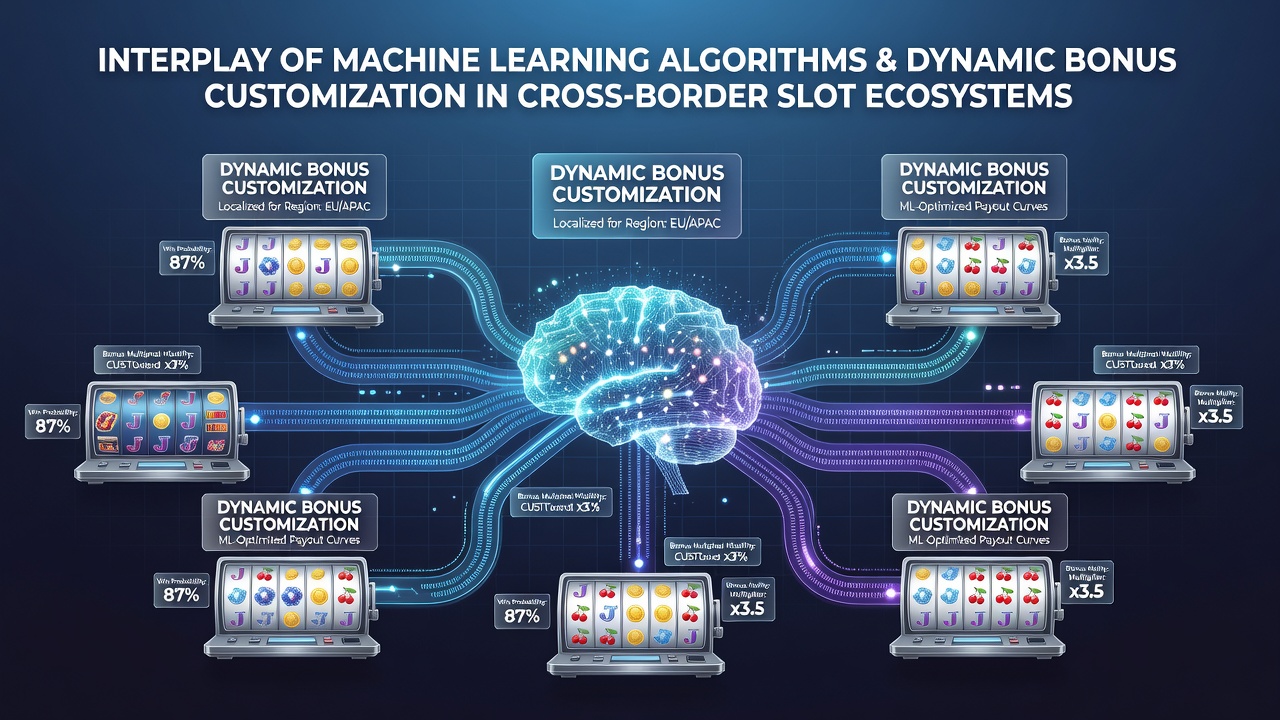
Operators in multiple jurisdictions now deploy machine learning models that analyze real-time player metrics to adjust bonus parameters such as wagering multipliers, free spin allocations, and cashback percentages while players move between regulatory zones, and these systems process location signals, session duration, and historical spend patterns to generate offers that comply with local rules in each market.
Data Inputs Driving Customization Engines
Slot platforms collect anonymized behavioral logs that include spin frequency, bet sizing trends, and game selection sequences, after which supervised learning algorithms classify players into segments that trigger specific bonus tiers, whereas unsupervised clustering identifies emerging patterns that human analysts might overlook during manual reviews. Regulatory filings from the Malta Gaming Authority show that several operators updated their compliance dashboards in early 2026 to flag cross-border bonus offers automatically when player accounts switch jurisdictions mid-session.
Geolocation APIs feed continuous updates into these models, and the algorithms recalculate eligibility thresholds every few minutes so that a player entering a stricter market receives offers that already meet higher responsible gambling thresholds without requiring separate manual intervention from support teams.
Regulatory Alignment in Multiple Regions
European operators must satisfy varying deposit limit rules across member states, while North American platforms handle tribal and state-specific requirements that often differ within the same country, and machine learning systems map these constraints into feature vectors so that bonus offers never violate the most restrictive applicable rule at any given moment. Observers note that Canadian provincial regulators began requiring audit trails of algorithmic bonus decisions in 2025, prompting providers to embed explainability modules that generate human-readable summaries of why a particular player received or lost access to a dynamic offer.
In July 2026, several Australian state licensing bodies introduced updated reporting templates that request data on how often dynamic bonuses change for accounts with international IP addresses, and software vendors responded by adding timestamped logs that record every parameter shift along with the regulatory justification attached to each change.
Technical Architecture Behind Real-Time Adjustments
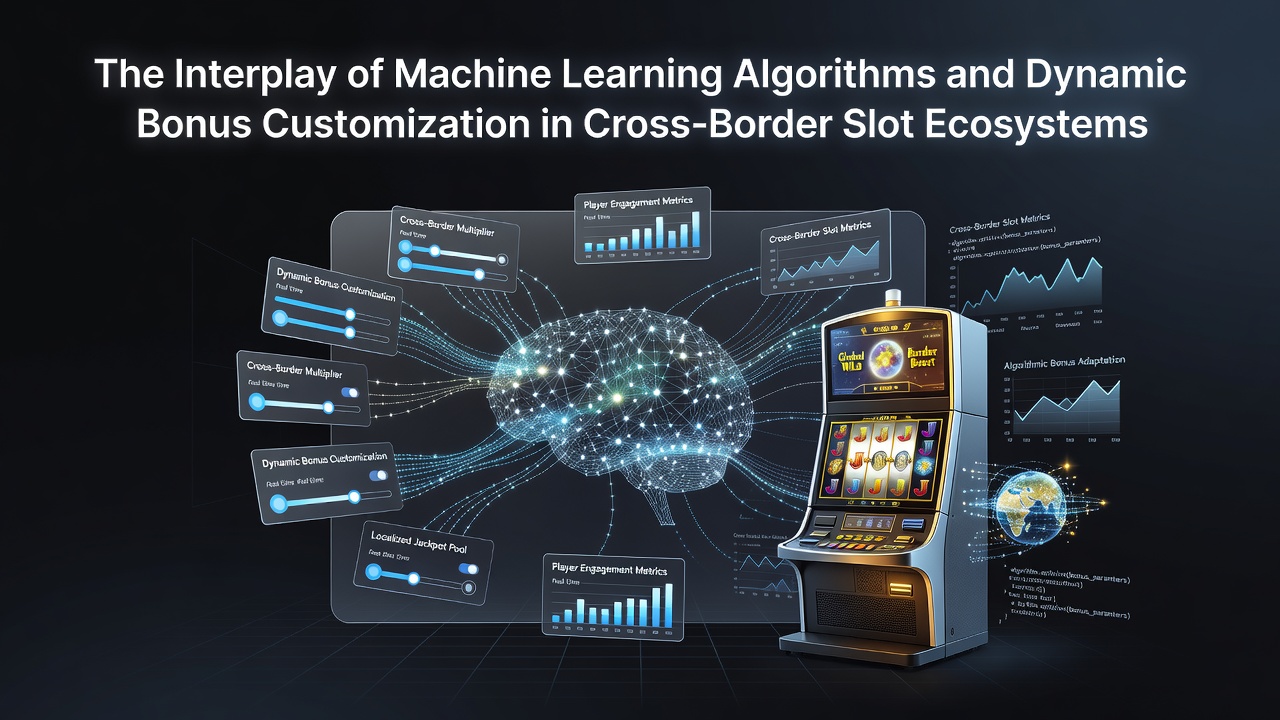
Modern slot ecosystems run lightweight inference models at the edge of their networks so that bonus calculations complete within milliseconds of a player action, and these models pull from centralized policy engines that store jurisdiction-specific constraint sets updated whenever new legislation appears. Reinforcement learning components test offer variants against historical conversion data to refine future recommendations, yet the system keeps separate holdout groups to measure performance without contaminating the training set used for live traffic.
Integration layers connect these engines to payment processors and game servers, which means a bonus multiplier applied in one jurisdiction automatically carries forward or resets when the player crosses into another market depending on the rules encoded in the policy layer.
Player Segmentation and Offer Delivery
Clustering techniques group accounts by lifetime value trajectories and preferred game volatility levels, after which decision trees determine which bonus structure maximizes session length while staying inside responsible gambling guardrails. Case studies presented at the 2026 International Association of Gaming Regulators conference illustrated how operators in three different continents synchronized their segmentation models so that a high-value player traveling between markets received consistent reward structures that respected each territory's disclosure requirements.
Push notification systems receive the output of these models and format messages according to local language and tone guidelines, while A/B testing frameworks continue to measure uplift without exposing players to non-compliant offers during the evaluation period.
Conclusion
Cross-border slot operations now rely on interconnected machine learning pipelines that translate regulatory constraints into live bonus parameters, and continued refinement of these systems depends on accurate jurisdictional data feeds plus robust testing protocols that verify compliance before offers reach players. Industry reports from the European Gaming and Betting Association indicate that operators investing in these capabilities recorded measurable improvements in retention metrics across multiple licensed markets during the first half of 2026.